
Medical Vacuum Systems
Medical vacuum is a negative-pressure service that removes secretions and fluids from the patient. Its design differs fundamentally from gas lines because what moves through the network may carry liquids and contaminants, so a full protection chain is built between patient and pump.
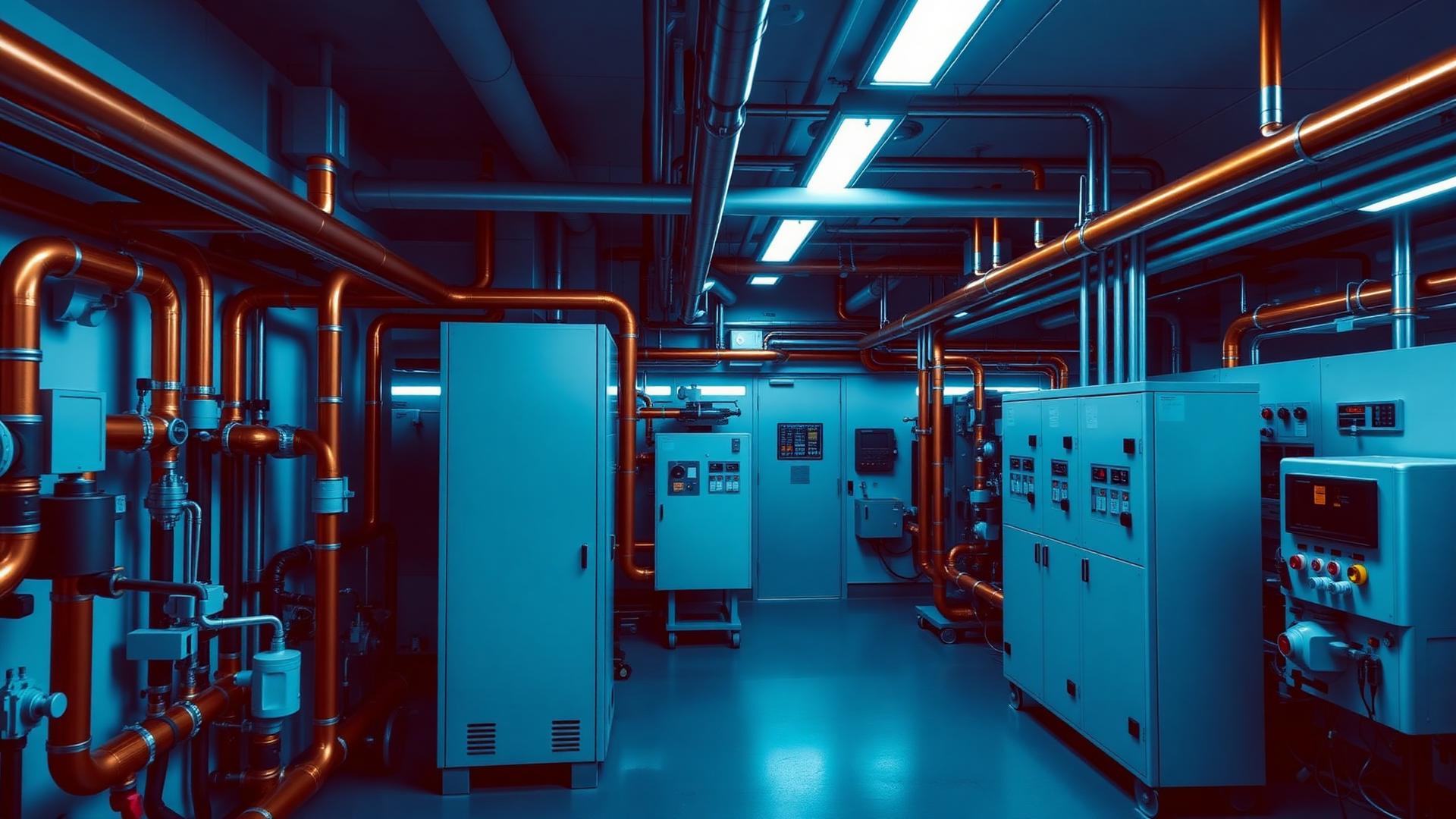
How the system works
Vacuum pumps create negative pressure in a receiver connected to a pipeline reaching terminal units in patient rooms, theatres and intensive care. When an outlet is opened, air and fluids are drawn from the patient into a collection jar at the bedside; only air then continues through the network to the plant.
Main components
- Multiple vacuum pumps in duty/standby arrangement.
- Receiver vessel stabilising the vacuum level and limiting continuous pump running.
- Fluid traps and bacterial filters protecting the network and the plant.
- A dedicated vacuum pipeline entirely separate from gas lines.
- An exhaust route discharging to a safe location outside the building.
- Alarm panel monitoring vacuum level and pump status.
Design considerations
- Capacity sized from the number of suction points, department types and a diversity factor.
- Pipe slope and routing that prevent liquid accumulation in branches.
- Exhaust discharge located away from air intakes and windows of occupied areas.
- Accessible filters and traps, since these are frequently serviced items.
- Zone isolation valves permitting partial maintenance.
Maintenance
Vacuum maintenance is less forgiving than other services, because neglect allows fluids or contaminants into the network. A typical programme covers trap inspection and emptying, timely bacterial filter replacement, pump performance and changeover checks, vacuum level verification at the most remote point, and alarm panel testing.
Safety
The contents of a vacuum system are treated as potentially contaminated, so protective procedures apply when servicing traps and filters, and no work is carried out on the network without clear isolation and notification of the affected clinical area.
Frequently asked questions
Why must the vacuum network be separate from gas networks?
Vacuum operates at negative pressure and carries potentially contaminated air; any connection to a therapeutic gas line is a direct patient hazard. Complete separation is a non-negotiable design rule.
Why is suction weak at some bed positions?
Common causes are a blocked filter or trap, a leak at an outlet or connection, simultaneous demand above the design assumption, or reduced pump performance. Diagnosis starts by measuring vacuum level at several points to locate the loss.
Related products
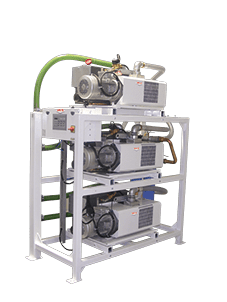
Medical Suction Pump
Medical suction pump supplying the vacuum network with stable negative pressure across critical areas.
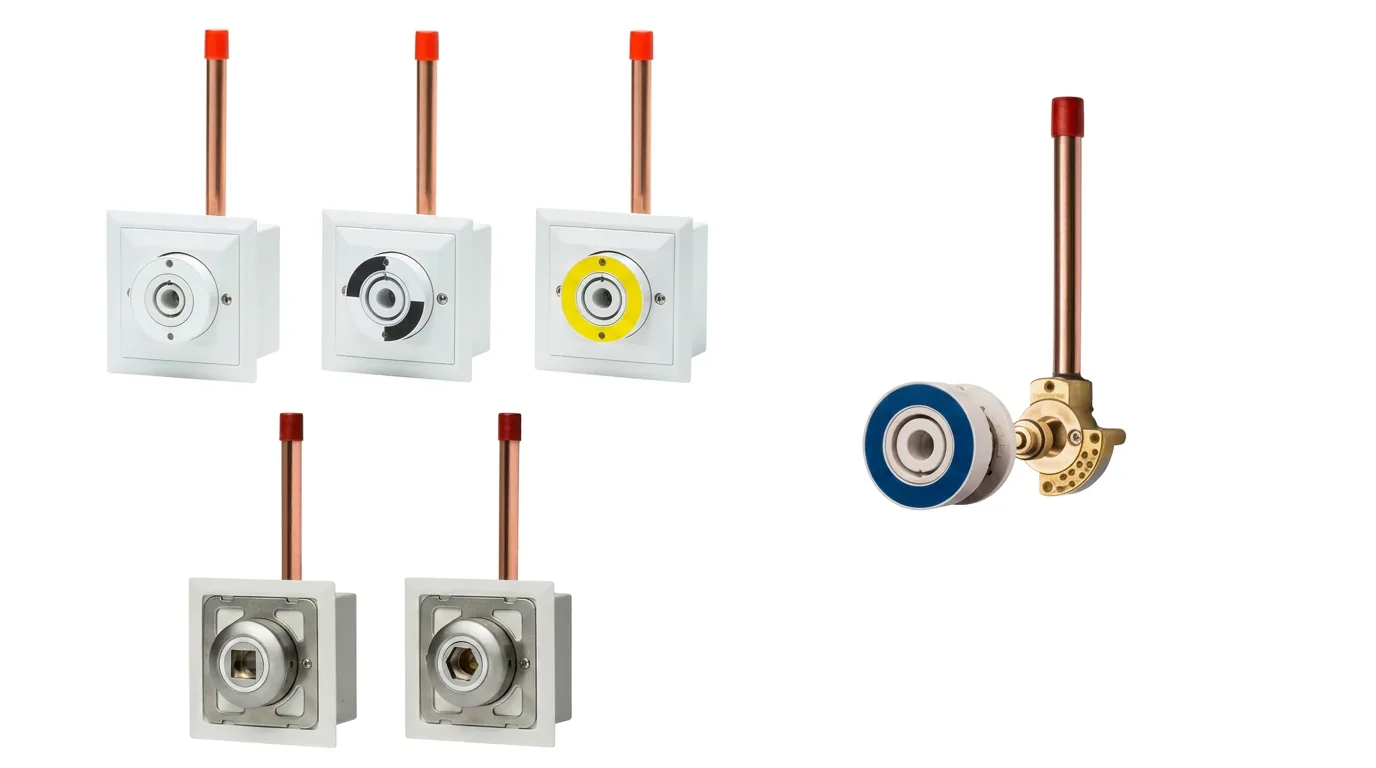
Medical Gas Outlets
Medical gas terminal unit at the patient point with a gas-specific connection that prevents wrong connection.
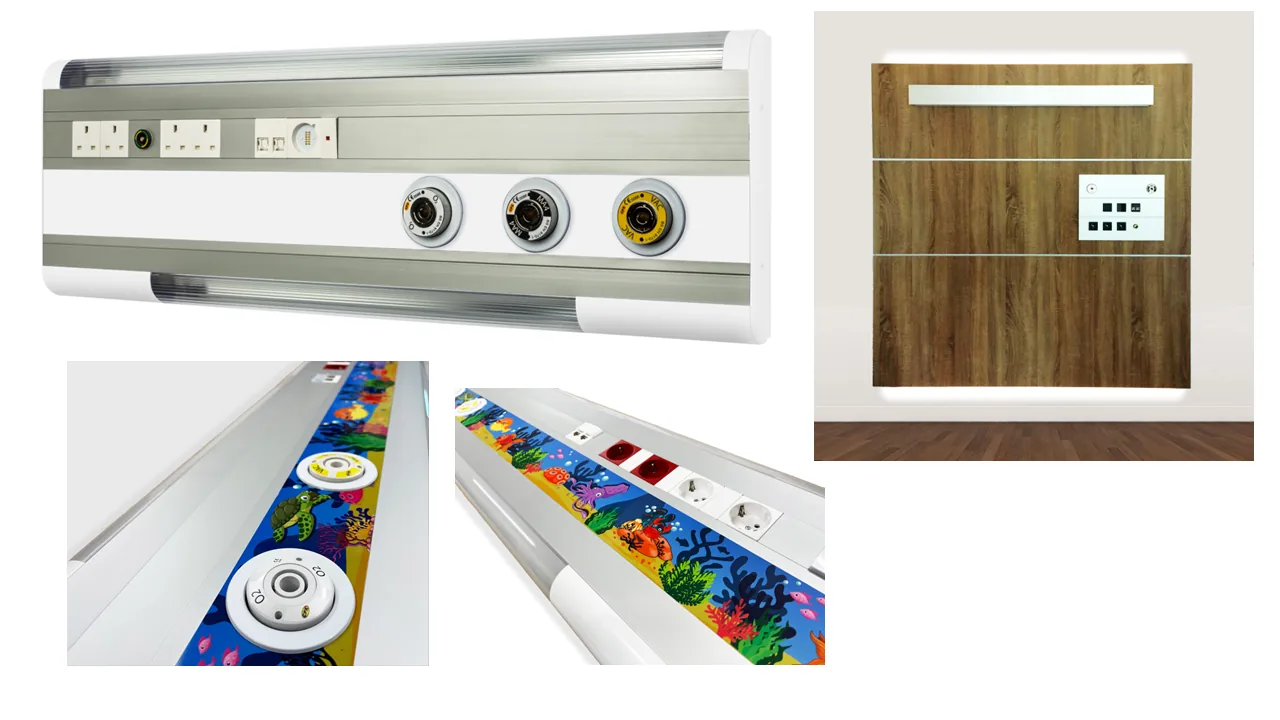
Bed Head Unit
Bed head unit grouping medical gases, power, lighting and nurse call above the patient bed.
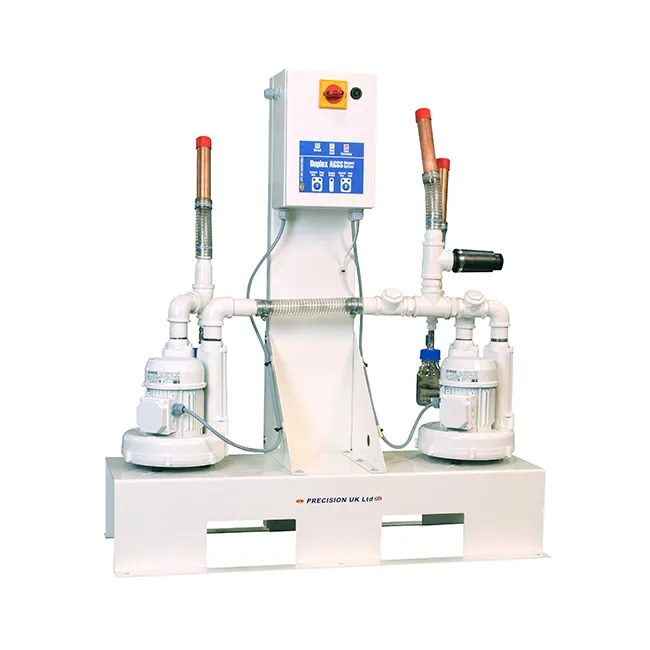
AGSS Plant
Anaesthetic gas scavenging plant that extracts waste gases from anaesthetising areas and discharges them outdoors.
Related services
Related articles
Medical Air Systems
How Medical Air is generated, treated and distributed in a hospital, and how it differs from surgical tool air.
Medical GasesWhat Are Medical Gas Systems?
An engineering overview of a hospital Medical Gas System: sources, pipeline, control and terminal units.
Medical GasesMedical Gas System Maintenance
How to build a preventive maintenance programme for medical gas systems, and what to inspect and document at each visit.
Medical GasesMedical Gas System Testing
The pre-handover test sequence for medical gas systems: pressure and leak, cross-connection, purity, flow and alarms.
Have a project or an existing facility that needs an engineering review?
Our engineering team can review your requirement and propose a solution suited to the application, the site and the applicable requirements.