
Medical Gas System Testing
Testing is what separates an installed pipeline from a clinically usable one. Any execution error surfaces here, so testing follows a defined sequence that is neither shortened nor reordered.
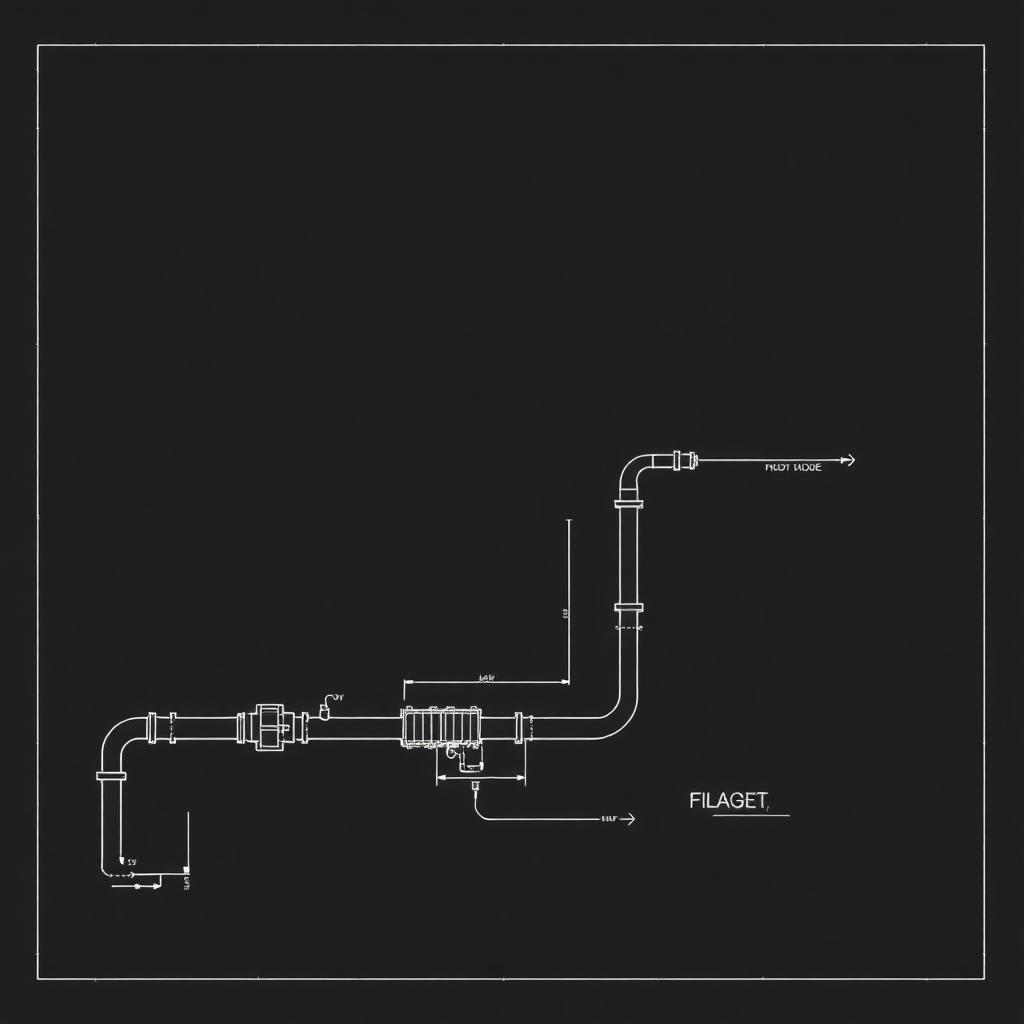
Before testing begins
- Installation complete with all open ends closed.
- Up-to-date drawings, a valve schedule and a terminal unit list available.
- A written test plan agreed with the owner or consultant.
- Coordination with departments if part of the facility is already operating.
Pressure and leak testing
The network is pressurised with an inert test gas and monitored for a defined period to confirm pressure stability. Any drop means a leak that must be located, repaired and the test repeated from the start. Attributing a drop to other factors without verification is not acceptable.
Cross-connection testing
This is the most important test in the system. All lines are depressurised, one line only is pressurised, and every terminal unit in the facility is checked to confirm gas is present only at that line's outlets. The procedure is repeated for each service. The objective is to prove that an oxygen outlet is genuinely fed by oxygen and nothing else.
Purging and purity verification
The network is purged with its own service gas to clear residual test gas and particulates, then gas is verified at terminal units for correct identity and freedom from moisture and contaminants. Verification is best performed at the most remote and most complex points on the route.
Outlet flow and pressure testing
Each outlet is tested for tightness, correct connect/disconnect action, and its ability to deliver the required flow without unacceptable pressure drop. The test is also run with several points loaded simultaneously to simulate real operation.
Alarm testing and documentation
- Simulating low and high pressure conditions and confirming the correct alarm on the correct panel.
- Verifying source status signals (manifold changeover, plant status).
- Testing audible alarm, mute and reactivation.
- Issuing a test report documenting each result with its date and responsible party.
- Handing over as-built drawings, the valve schedule and staff training.
Technical requirements are applied according to the specifications and regulations in force for the project and its approved design.
Frequently asked questions
Why is an inert gas used for pressure testing?
To avoid introducing moisture, contaminants or an oxygen-rich environment into an unverified network, and to obtain a stable pressure reading during the monitoring period.
Can part of a network be tested in an operating hospital?
Yes, through a phased isolation plan defining the isolated zone, the separation points and temporary provision for affected departments, coordinated in advance with facility management and clinical staff.
When are tests repeated after commissioning?
Relevant tests are repeated after any modification, extension or repair affecting the network, because opening the system reintroduces the possibility of contamination or a connection error.
Related products
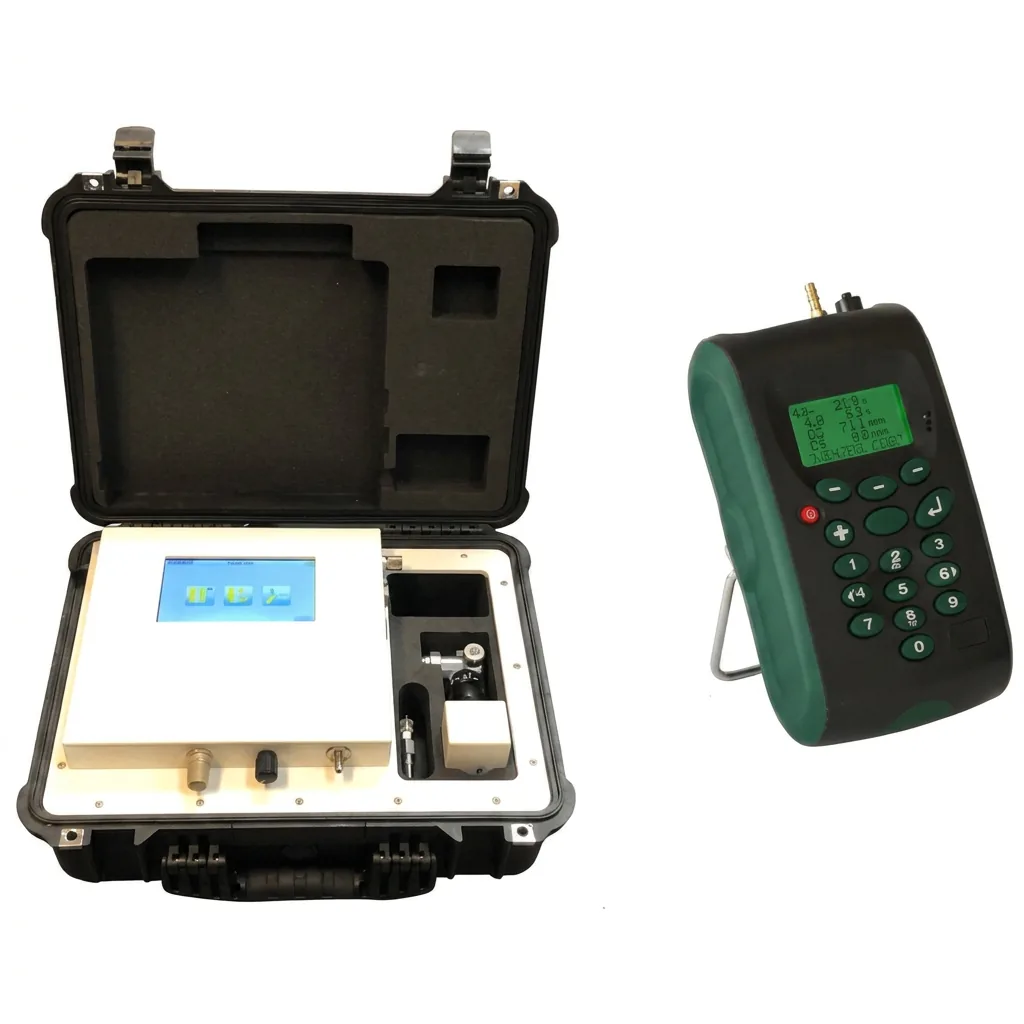
Medical Gas Purity & Moisture Analyser
Purity and moisture analyser used to verify medical gas quality at terminal units.
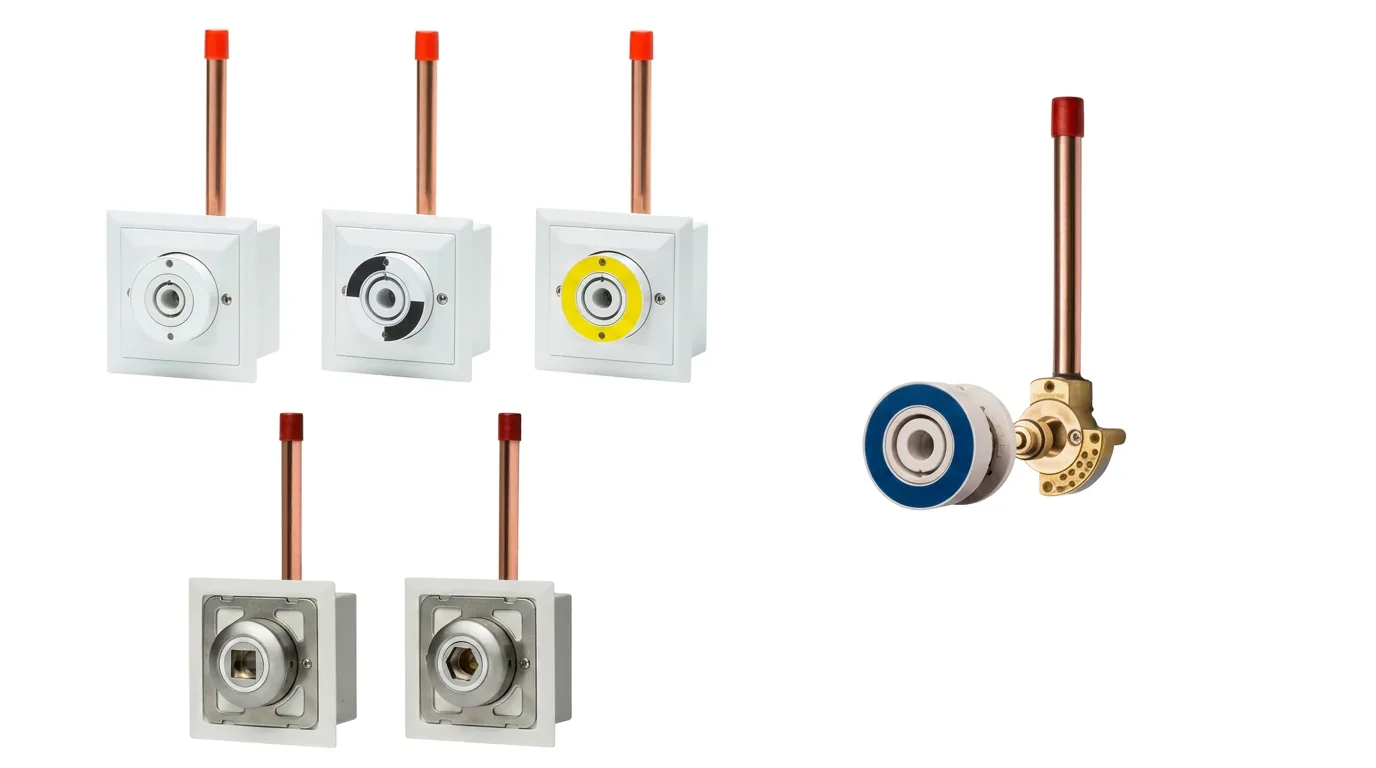
Medical Gas Outlets
Medical gas terminal unit at the patient point with a gas-specific connection that prevents wrong connection.
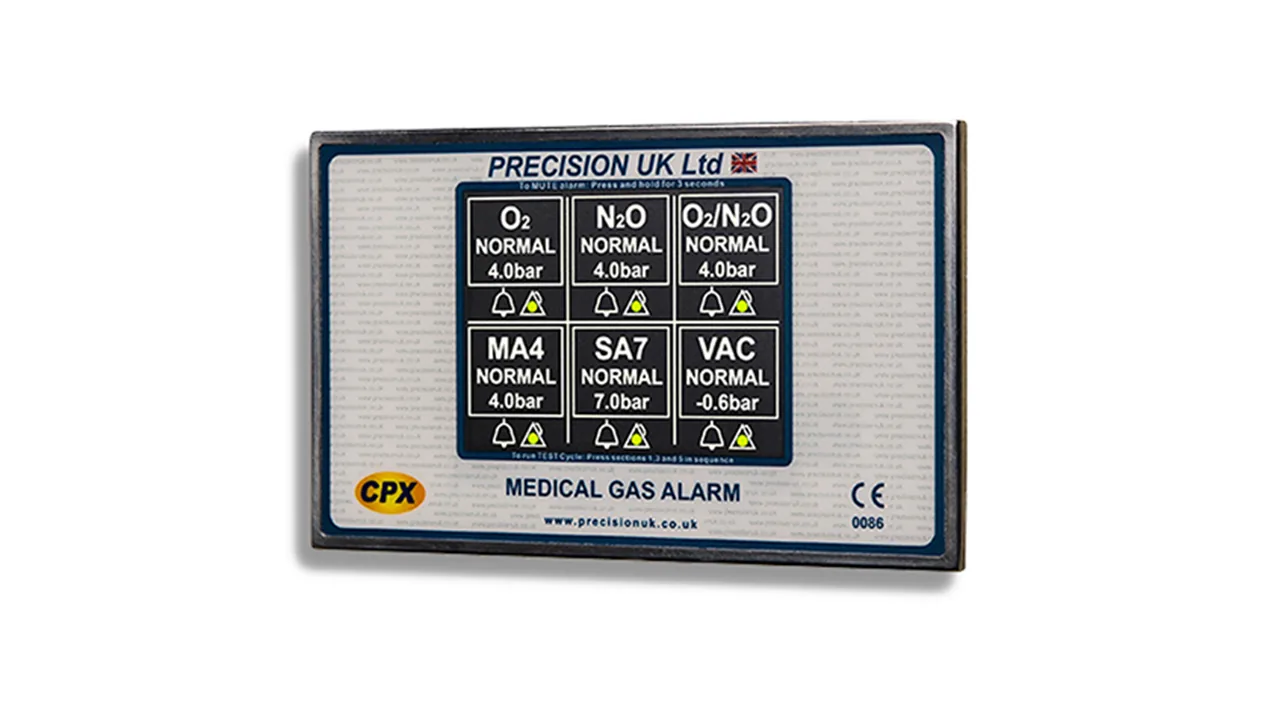
Digital Area Alarm Unit
Digital alarm panel that monitors medical gas pressures and raises alarms in critical areas.
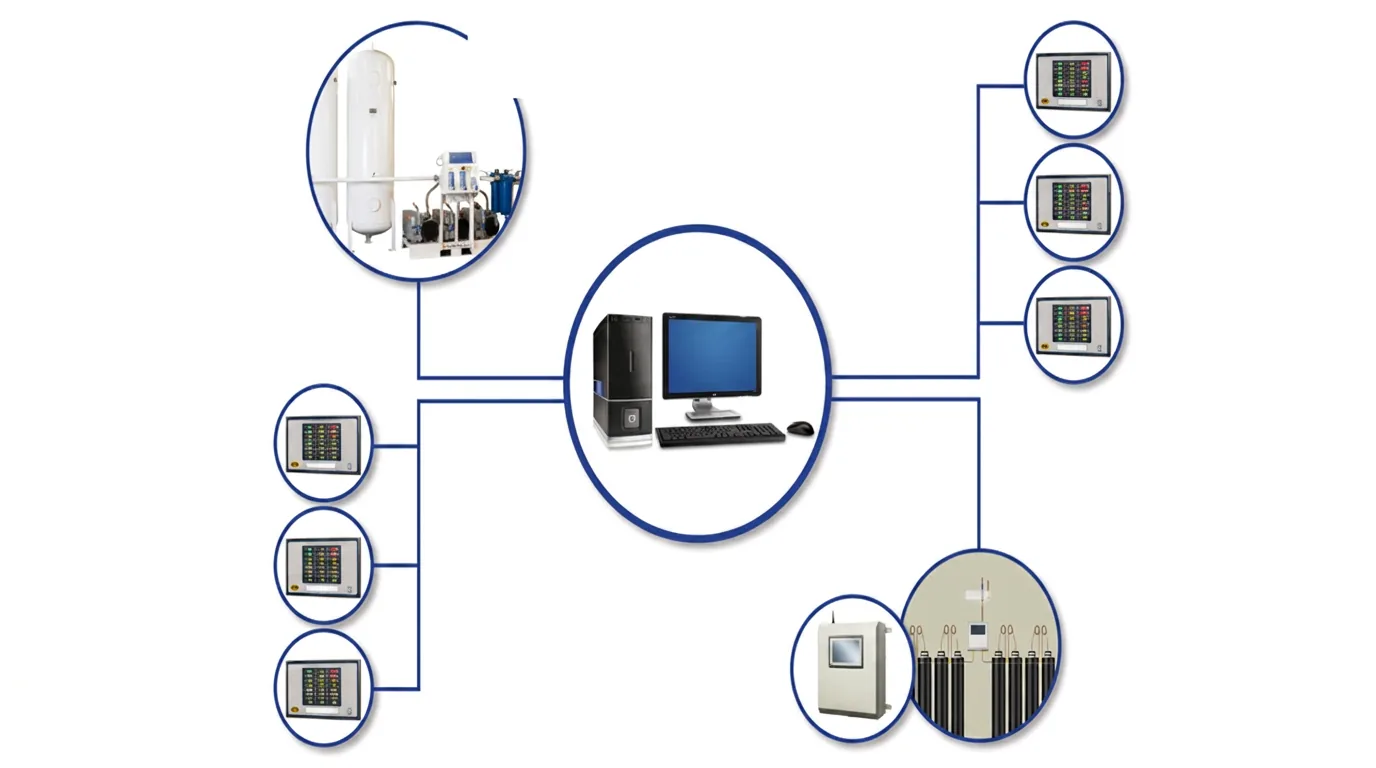
Hospiview
An item within the medical gas equipment range available for supply on Saudi Gases projects.
Related services
Related articles
Medical Gas System Maintenance
How to build a preventive maintenance programme for medical gas systems, and what to inspect and document at each visit.
Medical GasesMedical Gas Pipeline Design
A design methodology for the Medical Gas Pipeline: from load calculation and zoning to routing and isolation points.
Medical GasesWhat Are Medical Gas Systems?
An engineering overview of a hospital Medical Gas System: sources, pipeline, control and terminal units.
Medical GasesMedical Oxygen Systems
Medical Oxygen sources — cylinders and manifolds, liquid oxygen tanks and generators — and how the right source is selected for a facility.
Have a project or an existing facility that needs an engineering review?
Our engineering team can review your requirement and propose a solution suited to the application, the site and the applicable requirements.