
Medical Gas System Maintenance
Medical gas systems rarely fail suddenly; they fail after a series of ignored signals. Preventive maintenance is how those signals are caught early, turning failures from operational surprises into scheduled work.
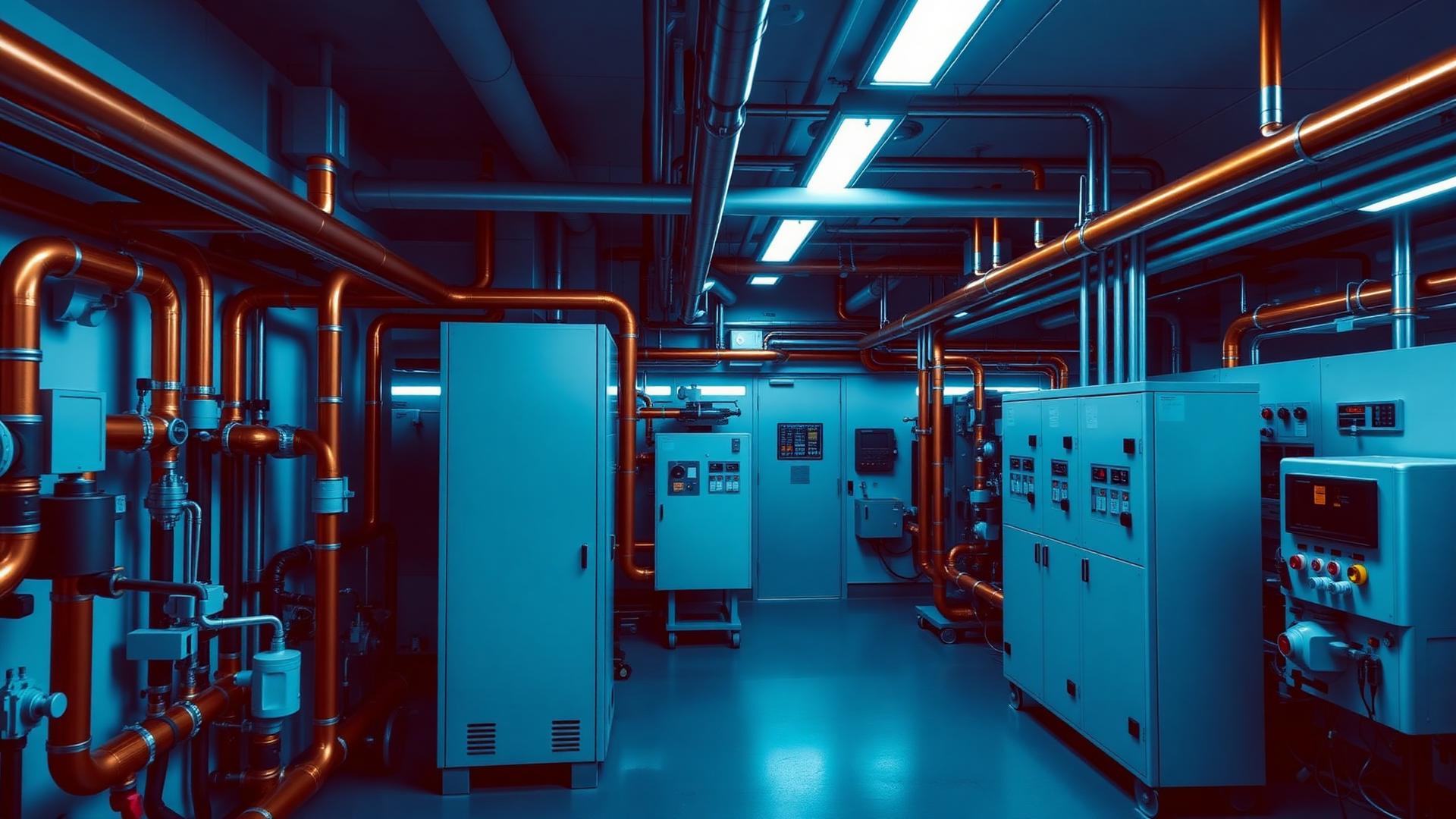
Scope of the maintenance programme
- Sources: manifolds, tanks, generators, air and vacuum plants.
- Pipeline: main and zone valves, AVSUs and test points.
- Control: pressure regulators and control panels.
- Monitoring: local and master alarm panels and sensors.
- Terminal units: outlets, bed head units and pendants.
Recurring inspection tasks
- Reading pressures at source and zones and comparing them to normal operating values.
- Leak checks at joints, outlets and valves.
- Filter element replacement in air and vacuum plants per schedule.
- Verification of automatic changeover in duplex sources.
- Functional testing of alarm panels, mute and reset.
- Checking outlet tightness and easy device connect/disconnect.
- Confirming identification clarity and unobstructed valve access.
Setting intervals
No single interval suits every facility. Schedules are built from the equipment actually installed and its manufacturers' recommendations, usage intensity, and the criticality of the department served. Critical areas such as ICU and theatres justify more frequent functional checks.
Fault management
Any fault affecting a critical service needs a clear procedure: identify the affected area, inform clinical staff, provide temporary provision where needed, then isolate, repair and re-test before returning to service. Returning to service without verification testing is the most dangerous practice in this field.
Record keeping
The technical log is the system's memory. Every visit should record the date, items inspected, readings, parts replaced, observations and open recommendations. This log is what makes it possible to analyse recurring faults and make replacement or upgrade decisions from data.
Frequently asked questions
What is the difference between preventive and corrective maintenance?
Preventive work is scheduled to stop failures before they occur; corrective work responds to an existing failure. Relying on corrective work alone in a healthcare setting means problems are usually discovered exactly when the service is needed.
Can maintenance be done without interrupting service?
Many tasks can be done live, but some require isolating a zone. This is where good isolation zoning in the design pays off, because it confines any shutdown to the narrowest possible area.
Related products
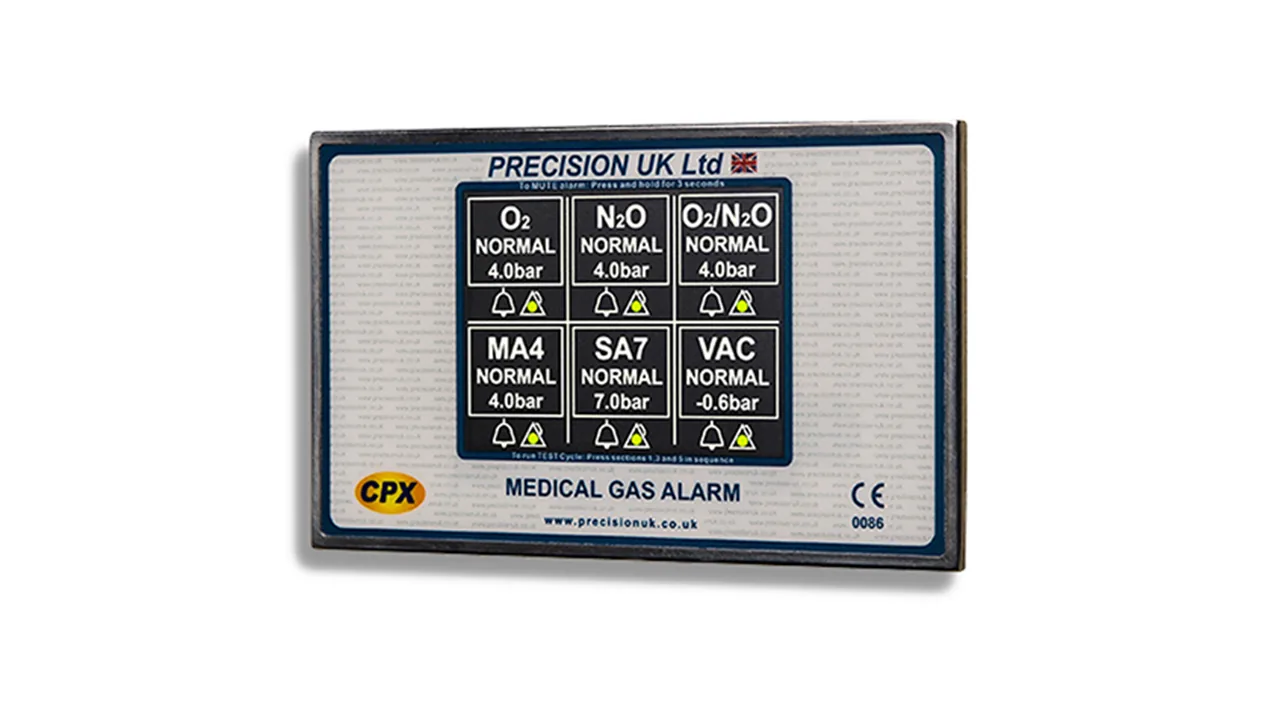
Digital Area Alarm Unit
Digital alarm panel that monitors medical gas pressures and raises alarms in critical areas.
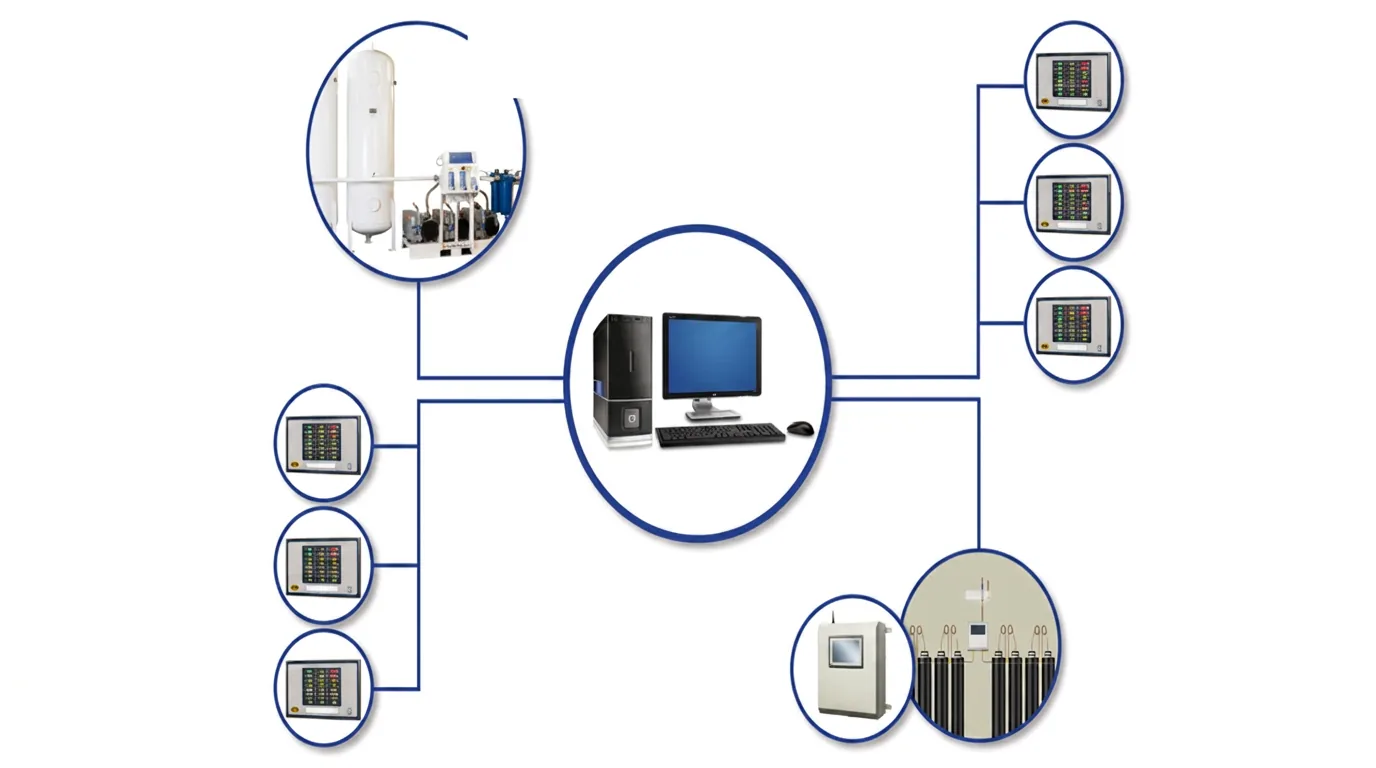
Hospiview
An item within the medical gas equipment range available for supply on Saudi Gases projects.
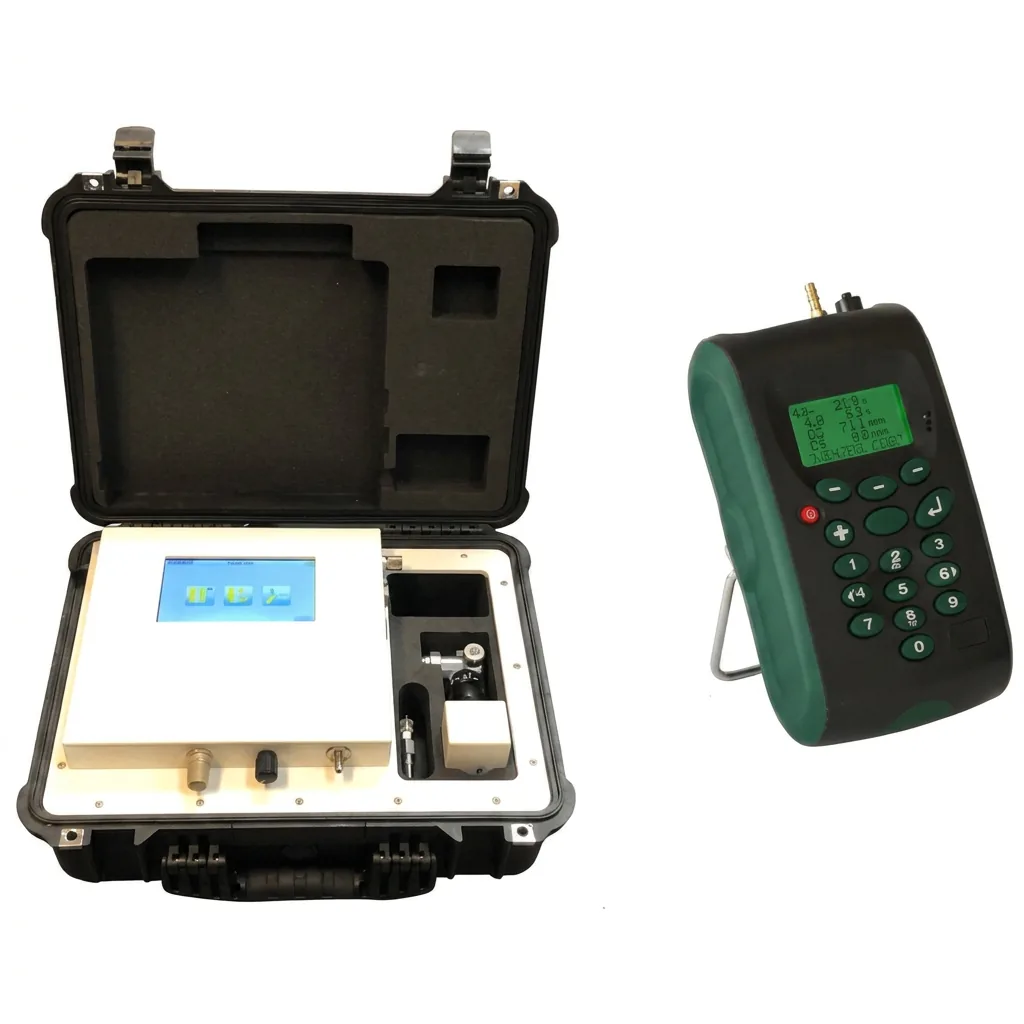
Medical Gas Purity & Moisture Analyser
Purity and moisture analyser used to verify medical gas quality at terminal units.
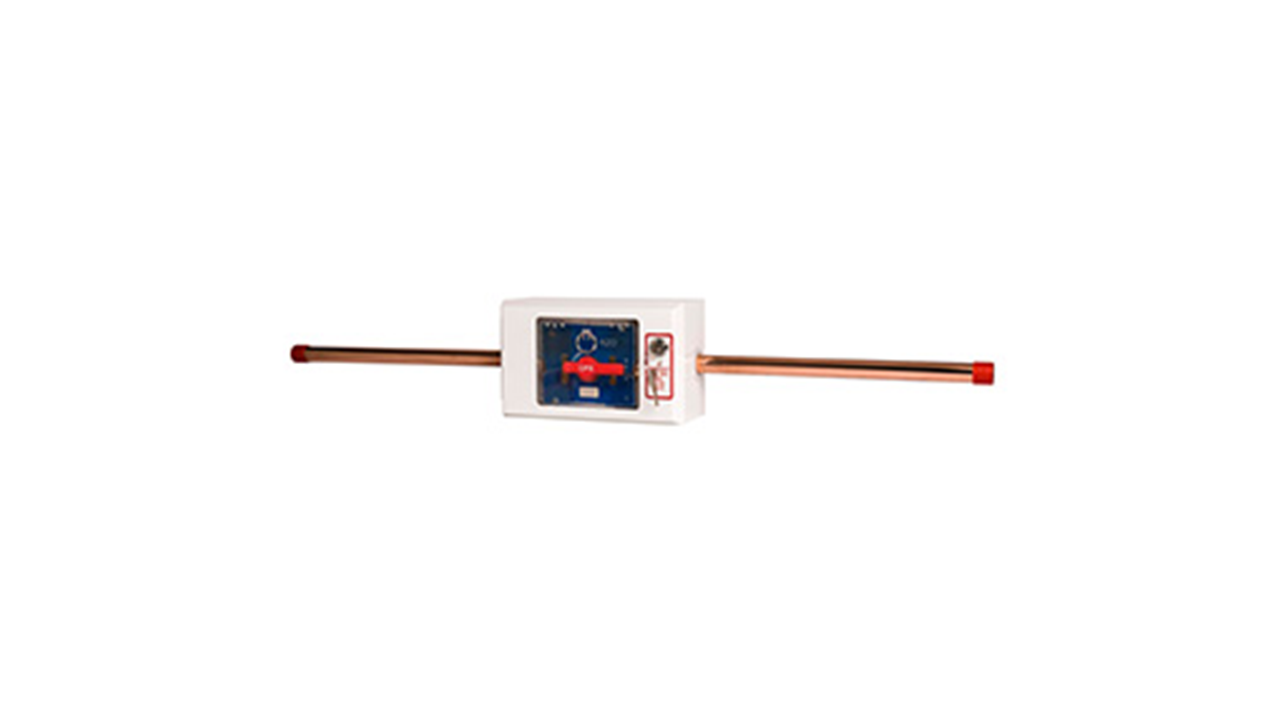
Single AVSU
Single-gas area valve service unit with pressure indication and an emergency break-glass window.
Related services
Related articles
Medical Gas System Testing
The pre-handover test sequence for medical gas systems: pressure and leak, cross-connection, purity, flow and alarms.
Medical GasesWhat Are Medical Gas Systems?
An engineering overview of a hospital Medical Gas System: sources, pipeline, control and terminal units.
Medical GasesArea Valve Service Units (AVSU)
The role of an AVSU in isolating a clinical area from the medical gas pipeline, and criteria for its location and emergency use.
Medical GasesMedical Air Systems
How Medical Air is generated, treated and distributed in a hospital, and how it differs from surgical tool air.
Have a project or an existing facility that needs an engineering review?
Our engineering team can review your requirement and propose a solution suited to the application, the site and the applicable requirements.