What Are Medical Gas Systems?
A Medical Gas System is the infrastructure that delivers therapeutic gases and medical vacuum from their source to the patient bedside, continuously and safely. This guide explains each component, its function, and how design and operating decisions are made in healthcare facilities.
What is a medical gas system?
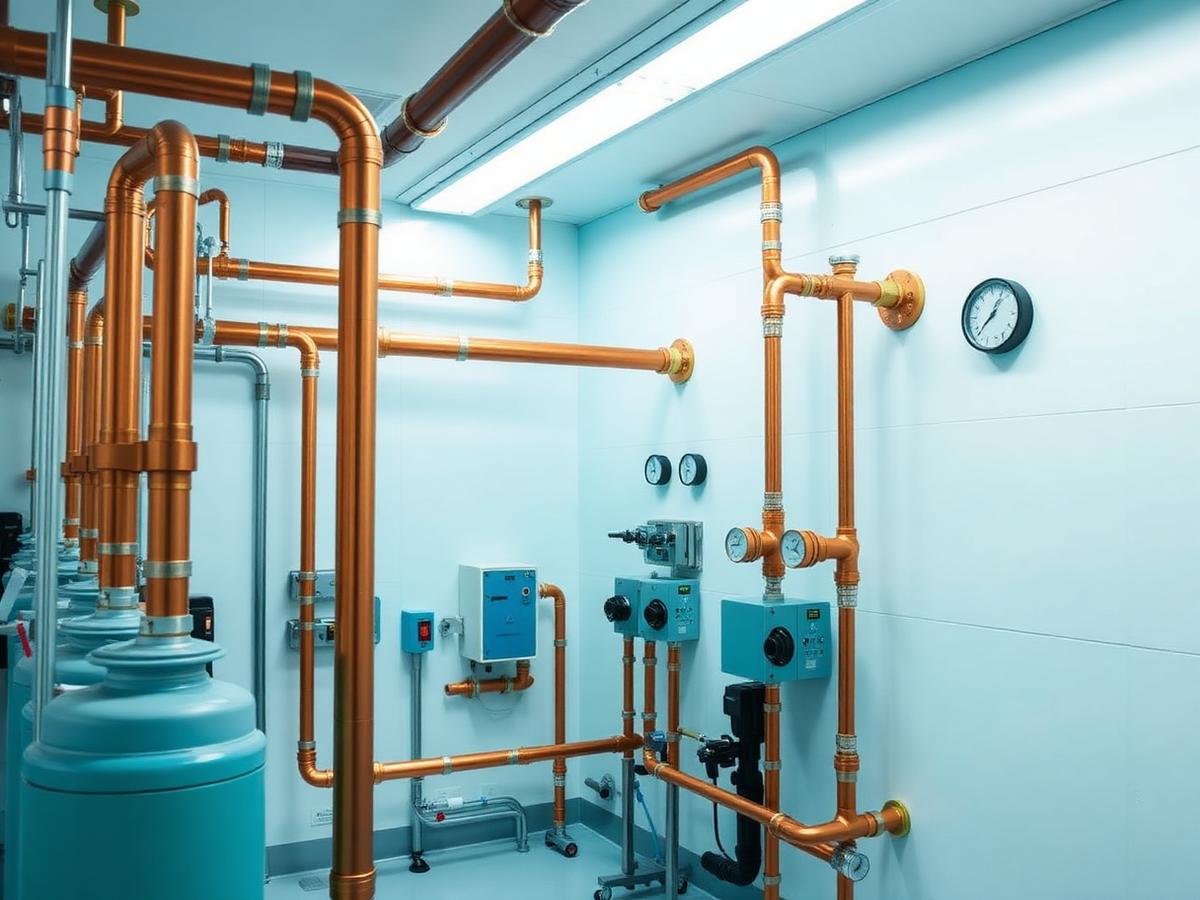
It is a closed, gas-specific system that starts at a reliable supply source and ends at a terminal unit (Medical Gas Outlet) in a patient room, operating theatre or intensive care unit. The core principle is that a medical gas is treated as a medicine: its purity, pressure and continuity are part of the therapy itself, not a secondary utility.
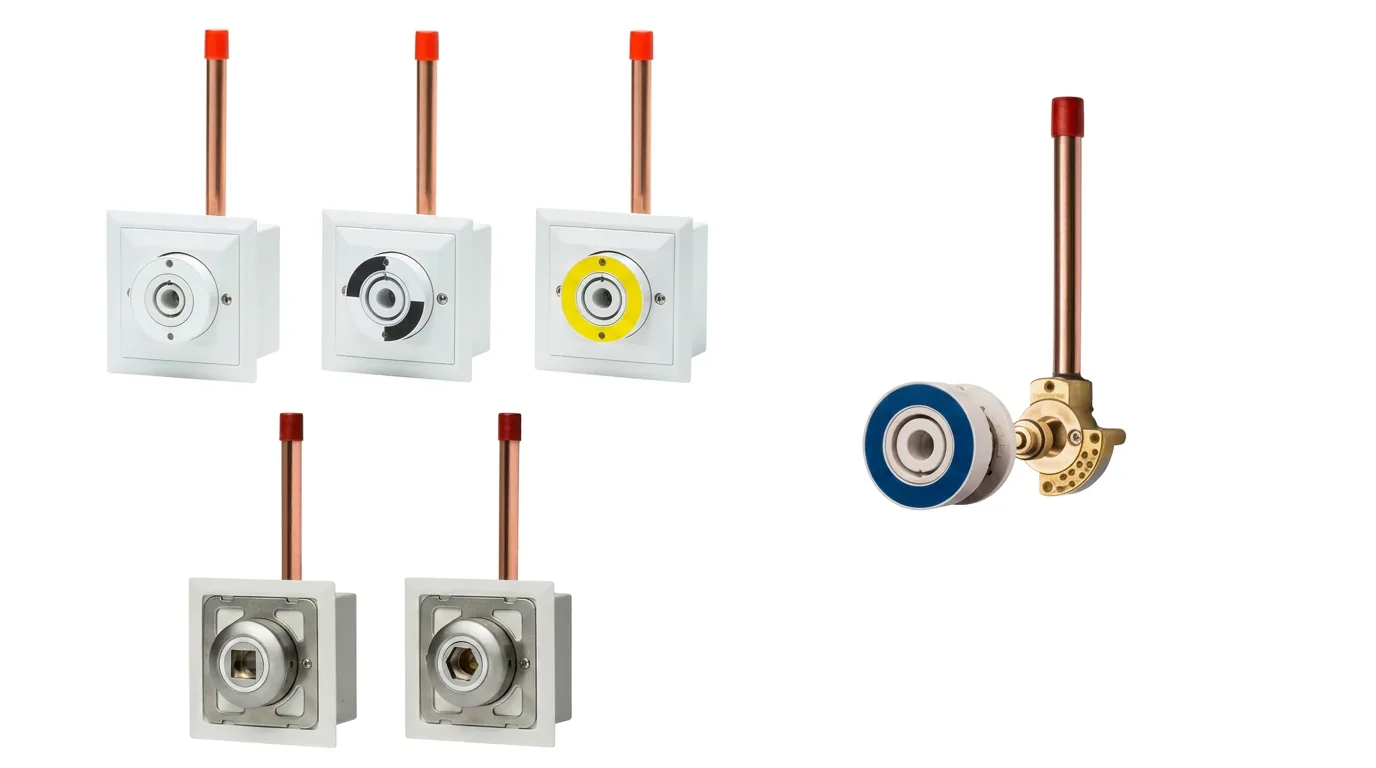
For this reason no possibility of cross-connection is acceptable: each gas has its own route, colour coding, identification, valves and non-interchangeable terminal units.
Common gases and services in a healthcare facility
- Medical Oxygen — the most critical and widely distributed service in a hospital.
- Medical Air — for ventilation and respiratory therapy.
- Medical Vacuum — for suction of secretions and fluids.
- Nitrous Oxide — used in anaesthesia depending on the facility's clinical scope.
- Surgical Air — to drive pneumatic surgical tools where required.
- AGSS (Anaesthetic Gas Scavenging System) — to remove surplus anaesthetic gases from theatres.
Not every facility needs every service. Scope is set by the facility's actual clinical services, not by a generic checklist.
Main system components
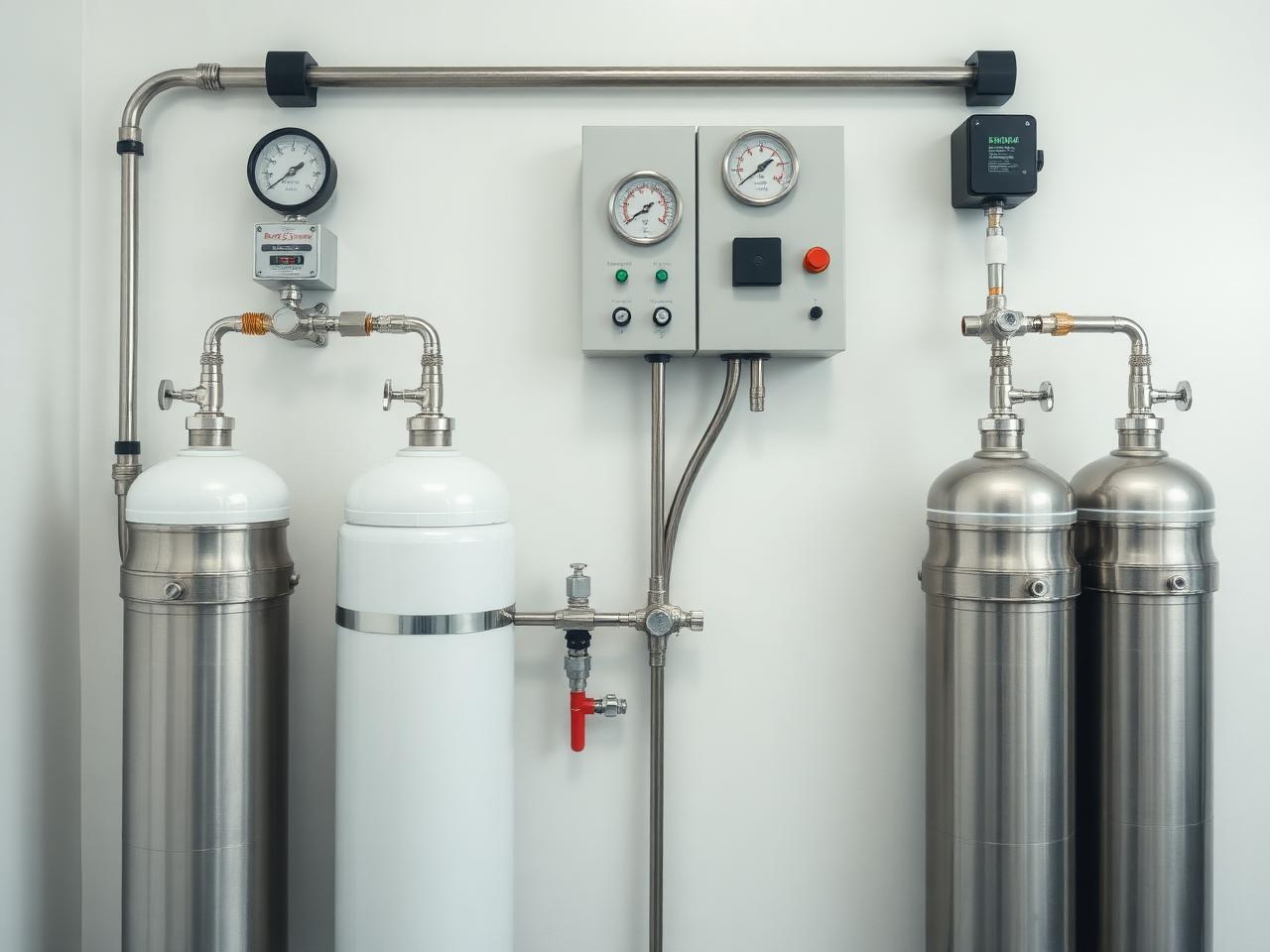
- Source: liquid oxygen tank, oxygen generator, cylinder manifold, or a medical air / vacuum plant.
- Medical Gas Pipeline: degreased medical copper tube and fittings.
- Control and isolation: main and riser valves plus an AVSU for each clinical area.
- Pressure control: regulators and control panels maintaining stable outlet pressure.
- Monitoring and alarm: local and master alarm panels watching pressure and source status.
- Terminal units: gas outlets, bed head units, and pendants in critical areas.
How the system works in practice
Gas is stored or generated at the source above working pressure, then reduced through regulation stages to line pressure. The pipeline distributes it to floors and zones; at each clinical area an AVSU allows the zone to be isolated for maintenance or emergency without shutting down the rest of the hospital. At the point of use, the medical device connects to an outlet dedicated to that gas alone.
In parallel, medical vacuum works in the opposite direction: pumps generate negative pressure drawing from terminal units through an entirely separate network, with traps and filters protecting the plant.
Design considerations
- Load calculation based on bed count, department type and a realistic diversity factor.
- Source redundancy: a primary, a secondary and an emergency source for critical services.
- Zoning so that isolating one area never disables another critical department.
- Pipe routing away from heat sources and areas exposed to mechanical damage.
- Future expansion capability without rebuilding the main distribution.
- Maintenance access: valves and alarm panels must be reachable.
Testing and commissioning
No medical gas system is handed over without a sequenced test programme: pressure and leak testing, a cross-connection test proving no gas is connected to the wrong line, purging and purity verification at outlets, and functional testing of alarms and outlet flow. Results are documented in a handover report retained by the facility.
Safety and technical references
Technical requirements are applied according to the specifications and regulations in force for the project and its approved design, and to the owner's operating instructions. Operationally, safety rests on three elements: preventing cross-connection, guaranteeing continuity of supply, and having a clear emergency isolation procedure known to both technical and nursing staff.
Frequently asked questions
What is the difference between medical and industrial oxygen?
The difference is not the molecule but the quality system around it: medical oxygen is produced, filled and handled under purity, traceability and documentation controls for therapeutic use, and is delivered through equipment and pipework dedicated to medical service only.
Can a medical gas pipeline be added to an existing building?
Yes, but it requires a site study defining feasible pipe routes, the source location, the impact of works on operating departments, and a phased isolation plan so clinical service is not interrupted during execution.
How often does the system need maintenance?
Intervals depend on the installed equipment type, usage intensity and the manufacturers' recommendations for the units actually fitted; they are normally managed through a periodic preventive maintenance contract with a documented technical log.
Related products
Medical Oxygen Manifold
Cylinder bank changeover unit that feeds the medical gas pipeline at a stable regulated pressure.
Medical Gas Outlets
Medical gas terminal unit at the patient point with a gas-specific connection that prevents wrong connection.
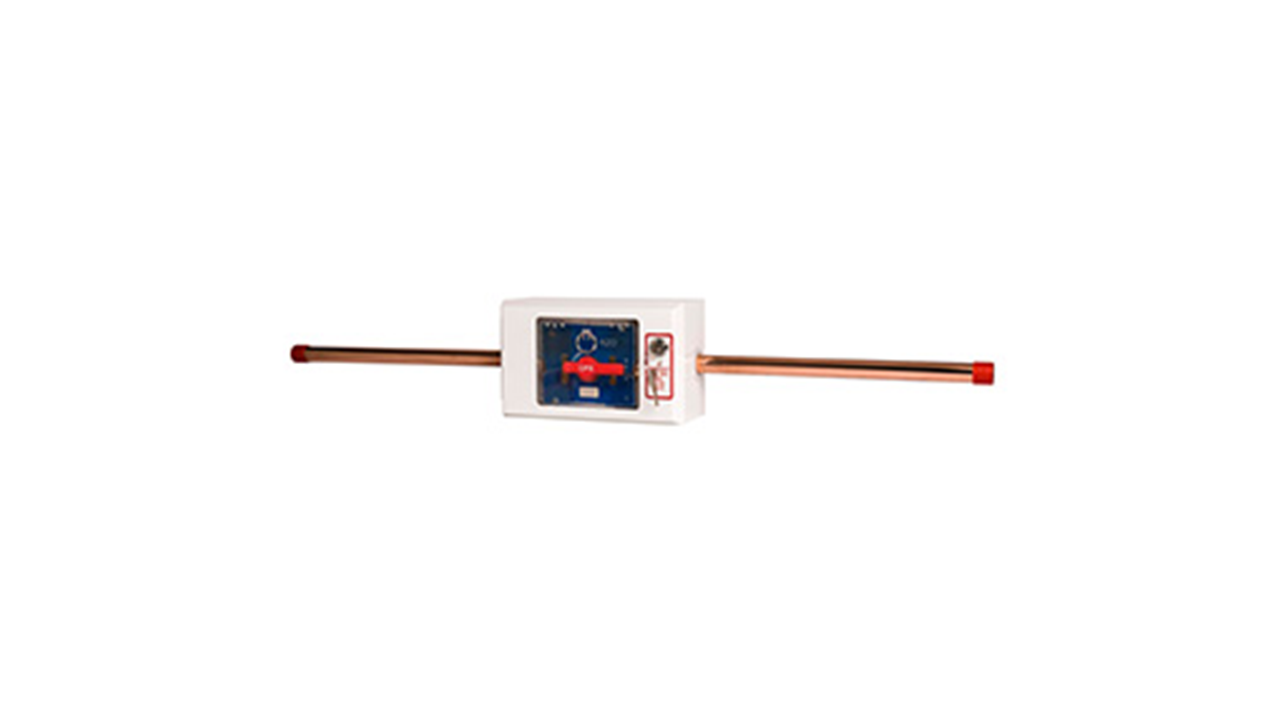
Single AVSU
Single-gas area valve service unit with pressure indication and an emergency break-glass window.
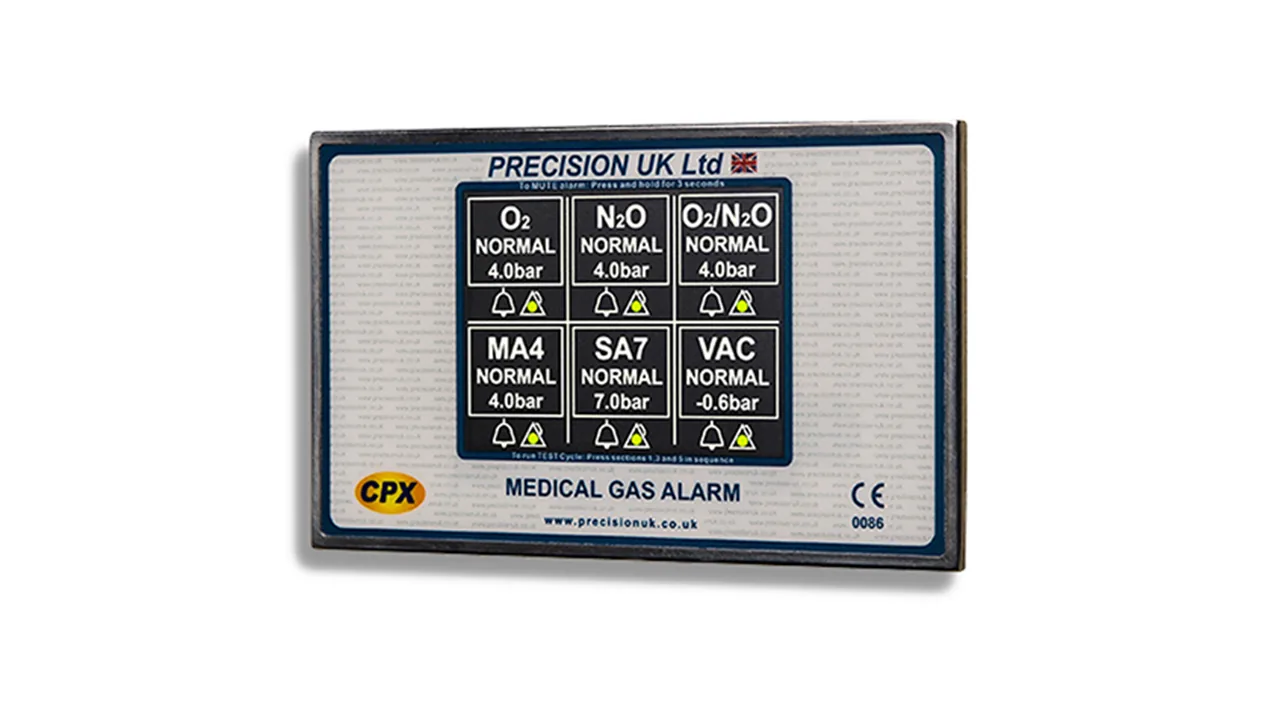
Digital Area Alarm Unit
Digital alarm panel that monitors medical gas pressures and raises alarms in critical areas.
Related services
Related articles
Medical Oxygen Systems
Medical Oxygen sources — cylinders and manifolds, liquid oxygen tanks and generators — and how the right source is selected for a facility.
Medical GasesMedical Gas Pipeline Design
A design methodology for the Medical Gas Pipeline: from load calculation and zoning to routing and isolation points.
Medical GasesMedical Gas System Testing
The pre-handover test sequence for medical gas systems: pressure and leak, cross-connection, purity, flow and alarms.
Medical GasesArea Valve Service Units (AVSU)
The role of an AVSU in isolating a clinical area from the medical gas pipeline, and criteria for its location and emergency use.
Have a project or an existing facility that needs an engineering review?
Our engineering team can review your requirement and propose a solution suited to the application, the site and the applicable requirements.