
Gas Leak Detection & Emergency Shut-off Systems
A gas detector alone does not protect a facility; protection comes from an interlocked system: a detector in the correct position, a control panel that receives the signal, a solenoid valve that cuts the gas immediately, and an audible alarm that reaches the site team. We design, install, interlock and test that system as one unit.
System components
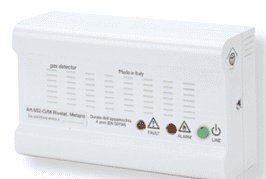
- Gas detectors for kitchens and enclosed areas
- Detectors suited to industrial and hazardous environments
- Control and alarm panels with varying zone counts
- Solenoid emergency shut-off valve
- Audible and visual alarm
- Interlock with ventilation where required
Where the detector goes
Detector position depends on the gas behaviour, air movement in the space, appliance locations and likely accumulation points; a wrong position makes the detector respond late or not at all.
Periodic testing
The system is tested periodically by verifying detector response, signal arrival at the panel and actual valve closure, with the result recorded in the maintenance log.
Deliverables
- Detector position and zone drawing
- Installed and interlocked system
- Documented functional test
- Site team briefing on the alarm procedure
Where this service applies
- Commercial kitchens
- Restaurants and hotels
- Tank and plant rooms
- Bakeries
- Industrial facilities
- Residential compounds
Related product categories

Related technical articles
Gas Leak Detection & Alarm Systems
How a Gas Leak Detection system works, and why it is always tied to emergency shut-off rather than an audible alarm alone.
Central Gas System Safety
Safety principles for LPG systems: gas properties, protection layers, emergency procedures, and the inspections that keep them effective.
LPG Testing & Commissioning
The steps for testing and commissioning a central gas system: tightness, purging, regulator setting, detection and shut-off tests, and handover.
Frequently asked questions
Can detection be added to an existing network?
Yes. It starts with a survey of the space and appliances to set detector positions and the shut-off valve location, followed by installation, interlock and testing.
Why must the detector be linked to a shut-off valve?
Because an alarm alone depends on someone being there to react, while an interlocked valve cuts the gas source automatically as soon as the threshold is exceeded.
Have a project or an existing facility that needs an engineering review?
Our engineering team can review your requirement and propose a solution suited to the application, the site and the applicable requirements.