
Gas Leak Detection & Alarm Systems
Leak detection is the layer that turns a leak from a potential incident into an early warning and an automatic action. Its effectiveness depends entirely on execution detail: where the detector sits, how it is tied to shut-off, and whether it is tested.
Operating principle
A detector monitors gas concentration in the surrounding air; when it crosses the alarm threshold it signals the control panel. The panel raises audible and visual alarms and commands the solenoid valve on the gas line to close, and may start ventilation depending on the facility's design.
Detector placement
Because LPG is heavier than air it accumulates near the floor, so detectors are mounted at low level close to likely leak sources such as appliances, connections and regulator areas. A ceiling-mounted detector in an LPG application gives a false sense of protection.
- Near appliances and connection areas, not in a corner away from the likely gas path.
- Away from direct airflow from extracts or air conditioning that would divert gas from the sensor.
- In a position reachable for testing, calibration and replacement.
- As far as practical from direct steam and grease in kitchens, to limit sensor fouling.
The control and alarm panel
- Accepting inputs from several detectors and identifying the alarm location.
- Driving audible and visual alarms where staff are actually present.
- Commanding the solenoid valve on the main line to close.
- Providing status indication that reveals detector fault, not only alarm state.
- Manual reset only after the cause has been verified as cleared.
Emergency shut-off integration
An alarm alone prevents nothing if no one hears and acts on it. The system is therefore tied to a solenoid valve that closes automatically on alarm, selected to match the facility's required operating logic, with a manual shut-off button at a clear exit position.
Testing and calibration
A detector's sensor ages, and periodic testing is the only way to know it still works. A typical programme covers response testing, verifying the signal reaches the panel, actually testing valve closure, tracking sensor life and replacing it when required, and documenting all of it.
Common mistakes
- Mounting the detector at ceiling level in an LPG application.
- Relying on an audible alarm with no automatic shut-off.
- Locating the sounder where nobody hears it during operation.
- Never testing the system after installation.
- Disabling a detector because of repeated alarms instead of resolving their cause.
Frequently asked questions
How many detectors does a kitchen need?
The number comes from kitchen area, appliance distribution, connection locations and where gas could accumulate — not a fixed figure. The goal is covering every likely leak source with a realistic path for gas to reach a detector.
Why does a detector alarm with no obvious leak?
Possible causes are sensor fouling by steam or grease, sensor ageing, or a genuine small leak below the threshold of human senses. It should never be assumed false before the network and the device are checked.
Can the system be linked to ventilation?
Yes; in many designs ventilation starts on alarm to help disperse an accumulation, coordinated with the shut-off logic so the two functions do not conflict.
Related products
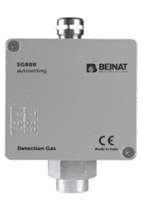
Water-Resistant Gas Leak Detector SG800
Water-resistant gas leak detector for wet or exposed locations.
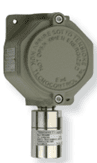
Explosion-Proof Gas Leak Detector SE138
Explosion-proof gas leak detector for hazardous areas and industrial environments.
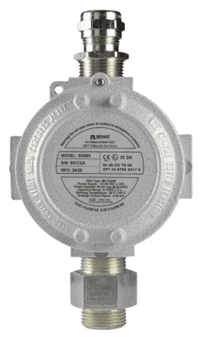
Explosion-Proof Gas Leak Detector
Explosion-proof gas leak detector for hazardous areas and industrial environments.
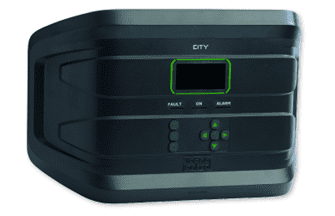
Gas Control Panel – 4 to 24 Detectors
Central control panel managing gas detectors, alarms and valve shut-off.
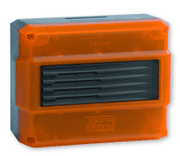
Gas Alarm Siren with Flashing Beacon
Alarm siren with flashing beacon that warns occupants when a gas leak is detected.

Normally Closed Gas Solenoid Valve DN65
Normally closed solenoid valve that automatically cuts gas supply on power loss or a leak alarm.
Related services
Related articles
Central Gas System Safety
Safety principles for LPG systems: gas properties, protection layers, emergency procedures, and the inspections that keep them effective.
LPG / Central GasLPG Systems for Restaurants & Kitchens
What a commercial kitchen gas system needs: simultaneous load, ventilation, detection and shut-off, and day-to-day usability.
LPG / Central GasLPG Testing & Commissioning
The steps for testing and commissioning a central gas system: tightness, purging, regulator setting, detection and shut-off tests, and handover.
LPG / Central GasWhat Is a Central Gas System?
An overview of the LPG Central Gas System — from tank to appliances — and why it replaces scattered cylinders.
Have a project or an existing facility that needs an engineering review?
Our engineering team can review your requirement and propose a solution suited to the application, the site and the applicable requirements.