
LPG Testing & Commissioning
Commissioning is not opening the gas and lighting a burner. It is a verification sequence proving the network is tight, the pressure is correct at every appliance, and the protection system actually works rather than merely exists.
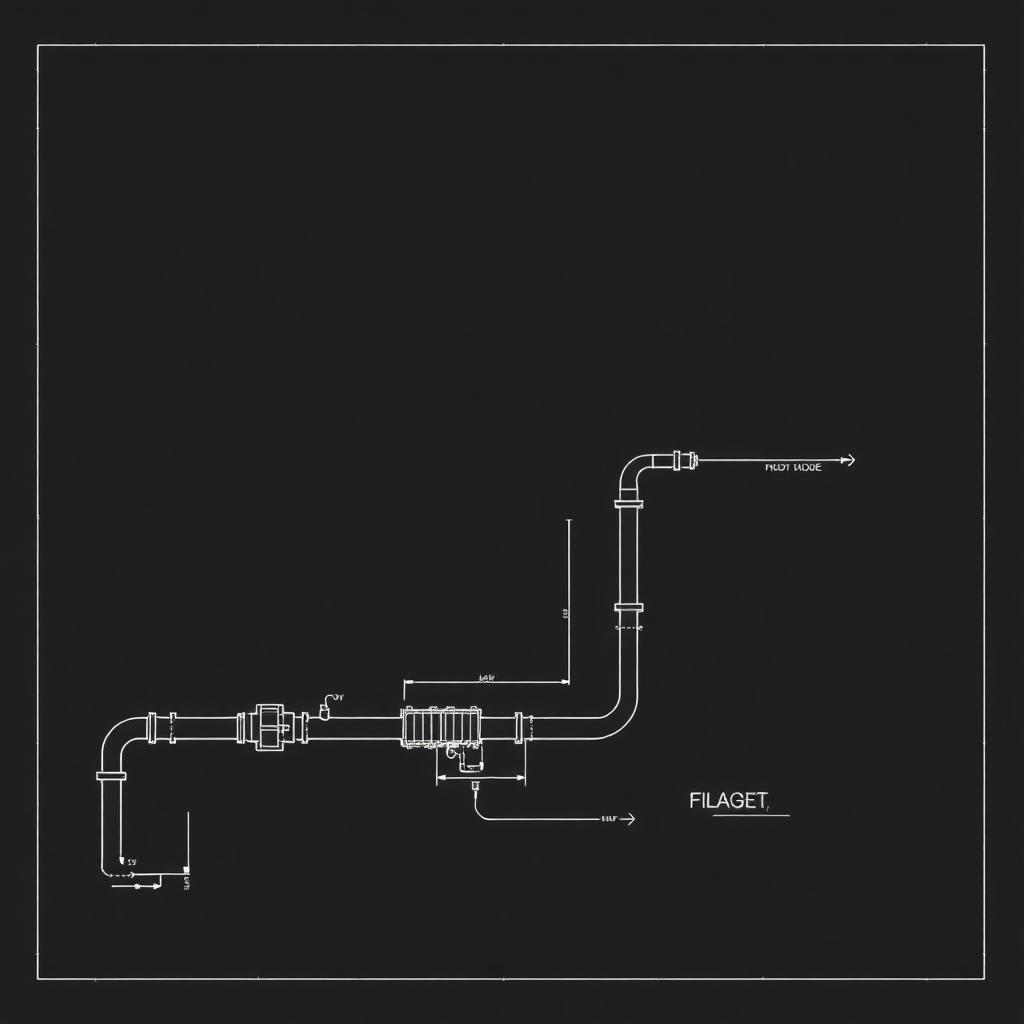
Pre-test verification
- Installation matching the approved drawing and pipe routes.
- Valves, regulators, filters and isolation points fully installed.
- Detectors, panel and solenoid valve installed and electrically connected.
- Clear identification labels for valves and shut-off points.
- No incomplete work or open ends anywhere on the route.
Tightness and pressure testing
The network is isolated, pressurised and monitored for a pre-agreed period. A stable reading is the only acceptable proof of tightness. Any drop requires locating and repairing the leak and repeating the full test, and no part of the route is covered until the test passes.
Purging and gas introduction
Before commissioning, air is purged from the network in a controlled manner to a safe discharge point, because an air/gas mixture inside the pipework is an undesirable condition. The step follows a defined order from the main line to branches then appliances, with ignition sources excluded from the area.
Setting regulators and verifying pressure
Working pressure is set and verified at appliances, including the most remote one and with several appliances running together. This is the test that exposes sizing or regulator-selection errors before they surface as an operational complaint months later.
Testing the protection system
- Response testing of each detector and verification that its signal reaches the panel.
- Confirming the solenoid valve actually closes on alarm.
- Testing audible and visual alarms where staff are present.
- Testing the manual shut-off button.
- Verifying the reset procedure after the cause is cleared.
Handover and documentation
The system is handed over with as-built drawings, a documented test report, and a practical briefing for staff covering valve locations, the emergency procedure and how to respond to an alarm. Technical requirements are applied according to the specifications and regulations in force for the project and its approved design.
Frequently asked questions
What is the difference between a tightness test and a commissioning test?
A tightness test proves the network does not leak; a commissioning test proves the system delivers correct pressure and flow and that the protection system responds. Passing the first does not replace the second.
Must testing be repeated after any modification?
Yes. Any opening of the network, appliance addition or route change reintroduces the possibility of a leak or a pressure change, so the relevant tests are repeated before returning to service.
Related products
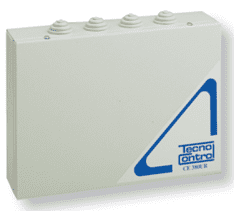
Gas Control Panel – up to 8 Detectors
Central control panel managing gas detectors, alarms and valve shut-off.
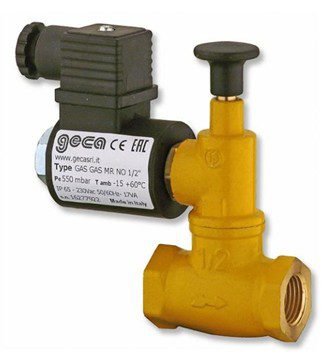
Normally Open Gas Solenoid Valve 2 inch
Normally open solenoid valve that stays open in service and closes on an alarm command.
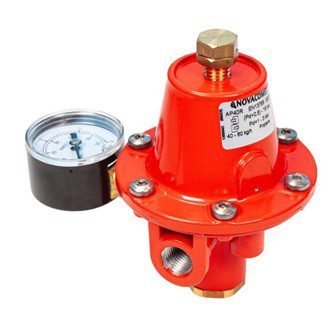
AP40 Adjustable First-Stage Regulator 1–3 bar
First-stage pressure regulator that steps tank pressure down to a stable distribution pressure.
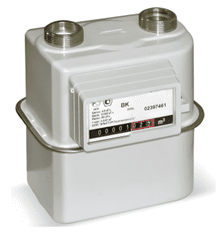
Gas Meter G4 Stainless Steel
Gas meter that measures actual consumption per unit or tenant on the central network.
Related services
Related articles
Gas Leak Detection & Alarm Systems
How a Gas Leak Detection system works, and why it is always tied to emergency shut-off rather than an audible alarm alone.
LPG / Central GasCentral Gas System Safety
Safety principles for LPG systems: gas properties, protection layers, emergency procedures, and the inspections that keep them effective.
LPG / Central GasWhat Is a Central Gas System?
An overview of the LPG Central Gas System — from tank to appliances — and why it replaces scattered cylinders.
LPG / Central GasLPG Systems for Restaurants & Kitchens
What a commercial kitchen gas system needs: simultaneous load, ventilation, detection and shut-off, and day-to-day usability.
Have a project or an existing facility that needs an engineering review?
Our engineering team can review your requirement and propose a solution suited to the application, the site and the applicable requirements.