
Central Gas for Villas
In a villa the question is not only "how do we get gas to the kitchen?" but "how do we keep the gas source outside the home and under control?". This guide walks through the practical design decisions for a residential central gas system.
Establishing demand and storage capacity
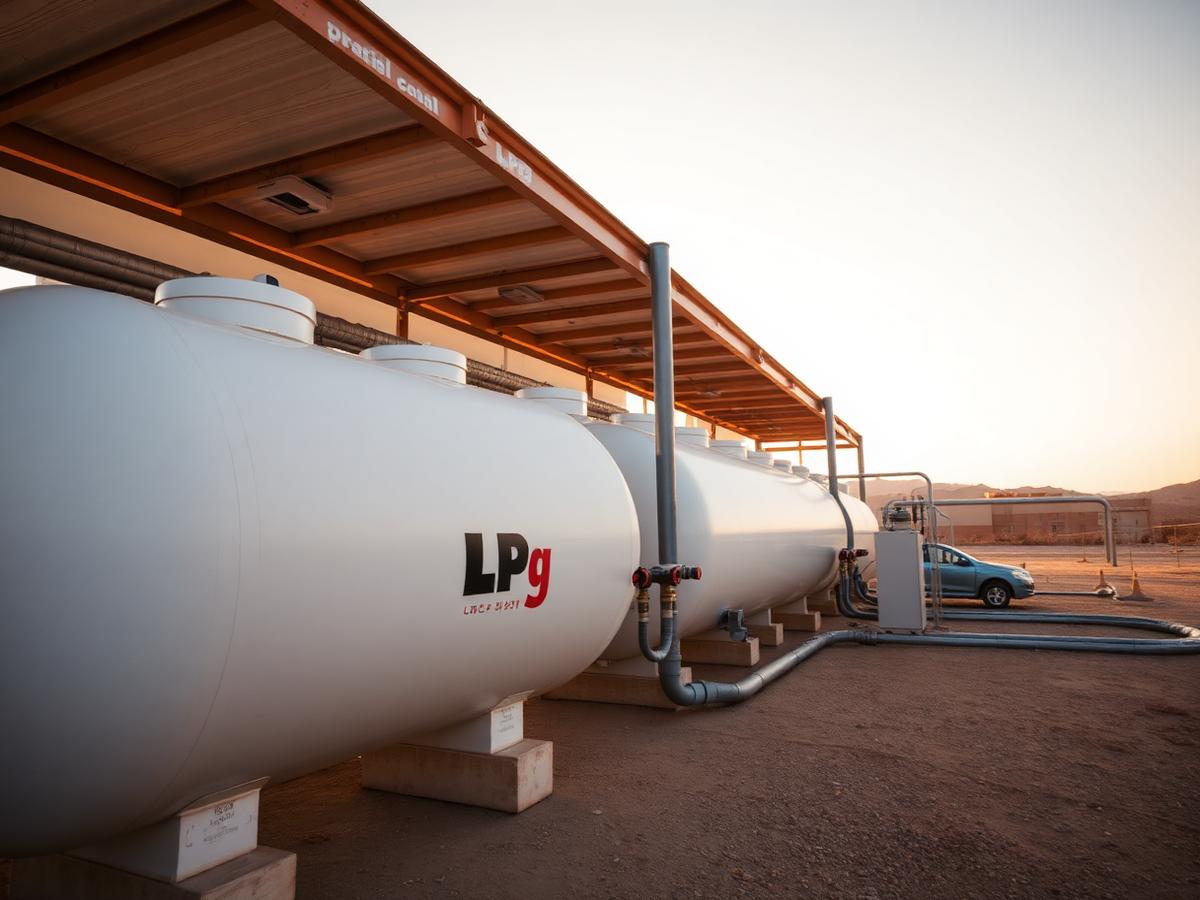
The appliance list (hob, oven, water heater, external grill if present) and the daily usage pattern are established, then storage capacity is set so refills are neither too frequent nor unnecessarily oversized. The aim is a balance between operating convenience, space and requirements.
Tank location
- Outside the building in a naturally ventilated area.
- Away from ignition sources, generators and electrical panels.
- Reachable by the delivery tanker without routing through the house.
- Protected against vehicle impact and tampering.
- Positioned so inspection and maintenance do not disturb occupants.
Internal pipework
The network is run in fixed pipe along a clear, inspectable route, with approved flexible connections used only at appliances. Pipes are kept out of unventilated enclosed voids and out of finishes that cannot be accessed later, and an isolation valve is fitted before each appliance so it can be disconnected for service or replacement.
Detection and emergency shut-off
A leak detector is installed in the kitchen and in any area where gas could accumulate, close to floor level because LPG is heavier than air. It is wired to a control panel and to a solenoid valve on the main line so that supply is cut automatically on alarm, with an audible sounder that occupants can hear.
Testing before commissioning
- Tightness testing with a stable pressure hold before any route is covered.
- Verifying regulator operation and stable working pressure at appliances.
- Testing the detector and emergency shut-off by simulating an alarm.
- Checking ignition and appliance performance after commissioning.
- Showing occupants the isolation valve locations and the emergency procedure.
Daily operation and maintenance
Over time, most problems in residential systems come from ageing flexible connections at appliances and from detectors never tested since installation. Periodic checks of exactly those two items prevent most common incidents, alongside general tightness checks and monitoring the tank level before it runs low.
Frequently asked questions
Is central gas safer than a cylinder in the kitchen?
The core advantage is that the stored gas volume sits outside the home, with regulated pressure and automatic shut-off on leak. Safety still depends on installation quality and periodic inspection, not on the system type alone.
How often does the tank need refilling?
It depends on tank capacity, the appliance mix and the household's usage pattern. It is better to trigger refilling at a pre-set level indication than to wait for the gas to run out.
What should I do if I smell gas?
Close the gas valve, avoid operating any electrical switch, open natural ventilation, evacuate, then contact a competent technical party to inspect the system before it is put back into service.
Related products

Above-Ground LPG Tank
Above-ground LPG tank for central gas storage feeding the facility network.
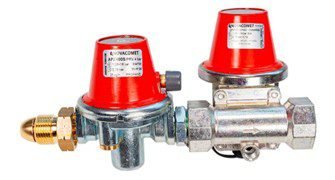
APZ400 Fixed First-Stage Regulator
First-stage pressure regulator that steps tank pressure down to a stable distribution pressure.

Domestic Gas Leak Detector SE230
Domestic gas leak detector suited to kitchens and residential units.
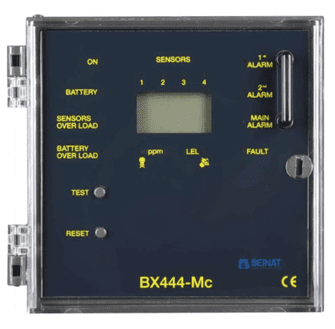
Gas Control Panel – 4 Detectors
Central control panel managing gas detectors, alarms and valve shut-off.
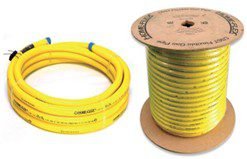
Flexible Stainless Steel Gas Pipe
Flexible stainless steel gas pipe for appliance connections and limited movement.
Related services
Related articles
What Is a Central Gas System?
An overview of the LPG Central Gas System — from tank to appliances — and why it replaces scattered cylinders.
LPG / Central GasLPG Storage Tanks
The role of the LPG tank in the system, its essential fittings, capacity and siting criteria, and periodic inspection needs.
LPG / Central GasGas Leak Detection & Alarm Systems
How a Gas Leak Detection system works, and why it is always tied to emergency shut-off rather than an audible alarm alone.
LPG / Central GasCentral Gas System Safety
Safety principles for LPG systems: gas properties, protection layers, emergency procedures, and the inspections that keep them effective.
Have a project or an existing facility that needs an engineering review?
Our engineering team can review your requirement and propose a solution suited to the application, the site and the applicable requirements.