

APS2000 Adjustable First-Stage Regulator with OPSO
APS2000 Adjustable First-Stage Regulator with OPSO
The first-stage regulator is the first regulation element after the tank. It reduces the high, variable tank pressure to a stable intermediate pressure carried through the network before final reduction at the appliances; the stability of this pressure directly affects burner and appliance performance.
What is it?
Regulator selection is based on the required flow rate (kg/h), the required outlet pressure and site temperature, with over-pressure protection provided where needed. Its capacity must cover simultaneous peak loads, and it must be installed in a well-ventilated, accessible location for inspection and maintenance.
Features
- Reduces tank pressure to a stable network pressure
- Flow capacity selected for peak load
- Stable pressure improves appliance performance
- Adjustable within the design range
- Well-ventilated, accessible installation position
- Checked within periodic network maintenance
Applications
- Villas and residential compounds
- Restaurants, cafés and central kitchens
- Hotels, halls and hospitality facilities
- Hospitals and educational facilities
- Bakeries and food factories
- Industrial facilities and central gas stations
Technical specifications
- Adjustment range
- 0.5 – 2 bar
- OPSO
- 750 mbar
- Capacity
- 120 kg/h
Brand / Manufacturer
- Model
- APS2000
Related services
LPG Central Gas System Design
LPG central gas design for villas, restaurants and facilities: appliance load calculation, tank size and location, pressure reduction stages, network routing and the scope of leak detection and emergency shut-off.
LPG Systems & Components Supply
Supply of LPG system components: tanks and accessories, pressure regulators, filters, manual and solenoid valves, meters, rigid and flexible pipe, gas detectors and control panels.
LPG Central Gas Installation
LPG network installation: tank base preparation and setting, pressure reduction stages, main and branch pipework, meters, appliance connections, and installation of leak detection and emergency shut-off.
LPG Testing & Commissioning
LPG network testing and commissioning: pressure and tightness testing, joint inspection, regulator setting, leak detector and emergency shut-off testing, and appliance commissioning with documented reports and handover.
LPG Central Gas Maintenance
LPG system maintenance: tank, regulator and filter inspection, valve and meter checks, leak detector and emergency shut-off testing, leak surveys and fault rectification, with a condition report after every visit.
Related products

APS2000 Adjustable First-Stage Regulator 1–3 bar
First-stage pressure regulator that steps tank pressure down to a stable distribution pressure.
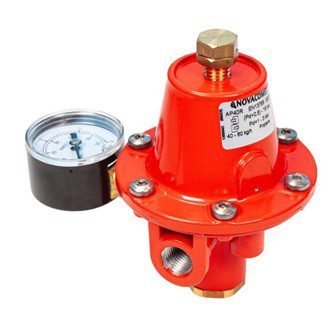
AP40 Adjustable First-Stage Regulator 1–3 bar
First-stage pressure regulator that steps tank pressure down to a stable distribution pressure.
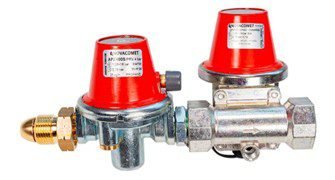
APZ400 Fixed First-Stage Regulator
First-stage pressure regulator that steps tank pressure down to a stable distribution pressure.
Related technical articles
What is Central Gas?
In preparation
LPG Testing & Commissioning
In preparation
LPG System Safety
In preparation
Frequently asked questions
Why is two-stage regulation used?
Because two-stage reduction gives better pressure stability at the appliances despite tank pressure varying with temperature and consumption, reducing flame instability and performance fluctuation.
How is regulator capacity determined?
By summing the consumption of appliances expected to run simultaneously, applying an appropriate diversity factor, then selecting a regulator whose capacity exceeds that load at the required outlet pressure.
Have a project or an existing facility that needs an engineering review?
Our engineering team can review your requirement and propose a solution suited to the application, the site and the applicable requirements.