
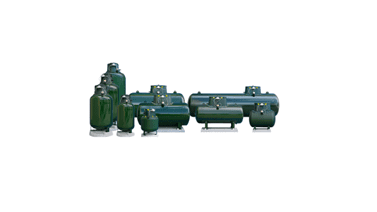
Underground LPG Tank
Underground LPG Tank
A buried tank is used where site area is limited or architectural appearance matters: the vessel is fully buried while the valve dome and filling point remain at surface level.
What is it?
Installation requires excavation, a base and suitable backfill, external coating protection against corrosion, and anti-flotation provisions where groundwater exists, plus access points for valves and inspection. Capacity, depth and safety distances are defined by consumption, soil conditions and site requirements.
Features
- Saves surface area and preserves appearance
- External protection against corrosion
- Valve dome and filling point at surface level
- Suited to space-constrained sites
- Engineered backfill and anti-flotation provisions
- Periodic inspection through access points
Applications
- Villas and residential compounds
- Restaurants, cafés and central kitchens
- Hotels, halls and hospitality facilities
- Hospitals and educational facilities
- Bakeries and food factories
- Industrial facilities and central gas stations
Technical specifications
Technical specifications and brands are set per project and per the approved specification — contact us for the technical data suited to your case.
Related services
LPG Central Gas System Design
LPG central gas design for villas, restaurants and facilities: appliance load calculation, tank size and location, pressure reduction stages, network routing and the scope of leak detection and emergency shut-off.
LPG Systems & Components Supply
Supply of LPG system components: tanks and accessories, pressure regulators, filters, manual and solenoid valves, meters, rigid and flexible pipe, gas detectors and control panels.
LPG Central Gas Installation
LPG network installation: tank base preparation and setting, pressure reduction stages, main and branch pipework, meters, appliance connections, and installation of leak detection and emergency shut-off.
LPG Testing & Commissioning
LPG network testing and commissioning: pressure and tightness testing, joint inspection, regulator setting, leak detector and emergency shut-off testing, and appliance commissioning with documented reports and handover.
LPG Central Gas Maintenance
LPG system maintenance: tank, regulator and filter inspection, valve and meter checks, leak detector and emergency shut-off testing, leak surveys and fault rectification, with a condition report after every visit.
Related products

Related technical articles
LPG Storage Tanks
In preparation
Underground vs Above-ground LPG Tanks
In preparation
LPG System Safety
In preparation
Frequently asked questions
When is a buried tank preferred?
When surface safety distances are unavailable or the site requires the tank to be concealed for architectural or operational reasons, allowing for excavation cost and corrosion protection.
Have a project or an existing facility that needs an engineering review?
Our engineering team can review your requirement and propose a solution suited to the application, the site and the applicable requirements.